Paneer butter masala is the dish that gets ordered at every family dinner out, and the one most people assume they cannot make as well at home. They can. The restaurant secret is not a secret at all: a properly cooked tomato and cashew base, blended until very smooth, and a generous amount of fat. We cook ours in ghee and finish with a touch of butter or cream, which gives the familiar flavour with more depth.
For the gravy base
- 2 tbsp ghee
- 1 bay leaf
- 2 green cardamom pods
- 3 cloves
- 1 small stick cinnamon
- 1 large onion, roughly chopped
- 1 tbsp chopped ginger
- 4 cloves garlic
- 4 large ripe tomatoes (about 500 g), roughly chopped
- 15 cashews, soaked in hot water for 15 minutes
- 1½ tsp Kashmiri red chilli powder
- 1 tsp salt
- ½ cup water
To finish
- 1 tbsp ghee
- 250 g paneer, cut into cubes
- ½ tsp garam masala
- 1 tsp kasuri methi, crushed between your palms
- 1 to 2 tsp sugar or honey, to balance the tomatoes
- 3 tbsp fresh cream
- 1 tsp butter (optional)
Method
- Cook the base. Heat 2 tbsp ghee in a pan. Add the whole spices and let them sizzle. Add onion, ginger and garlic and cook for 5 minutes until the onion is soft but not browned.
- Add tomatoes and cashews. Add tomatoes, drained cashews, chilli powder and salt. Cook on medium, stirring occasionally, until the tomatoes collapse completely and the mixture looks jammy, about 12 to 15 minutes. Add the water and simmer for 5 more minutes.
- Cool and blend. Remove the bay leaf and cinnamon stick. Let it cool slightly, then blend until completely smooth.
- Strain. For a silky restaurant texture, push the purée through a fine sieve. It is a few extra minutes and it makes a real difference.
- Simmer the gravy. Heat 1 tbsp ghee in the pan, pour in the strained purée and simmer on low for 8 to 10 minutes, stirring often. It will darken, thicken and you will see ghee glistening on the surface.
- Season. Add garam masala, kasuri methi and sugar. Taste and adjust salt. The gravy should be rich, slightly sweet and gently spiced.
- Add paneer. Add the paneer cubes and simmer for 2 to 3 minutes. Do not overcook or the paneer toughens.
- Finish. Turn off the heat. Stir in the cream and the butter if using.
Tips for the best result
Soften the paneer. If your paneer is firm, soak the cubes in hot salted water for 10 minutes before adding them.
Cook the tomatoes fully. Undercooked tomatoes make the gravy sharp and raw-tasting. They should lose their shape entirely.
Kasuri methi is not optional. It gives the dish its unmistakable restaurant aroma.
Kashmiri chilli for colour. It gives the deep red-orange without too much heat.
Why ghee in a "butter" masala?
Butter burns easily during the long cooking of the base, and its fresh dairy flavour fades in the process anyway. Ghee handles the heat and brings a roasted, nutty richness that holds up through simmering. A small amount of butter or cream at the end gives back the fresh dairy note people expect. You get the best of both.
Serve with
Butter naan, garlic naan, laccha paratha or jeera rice.
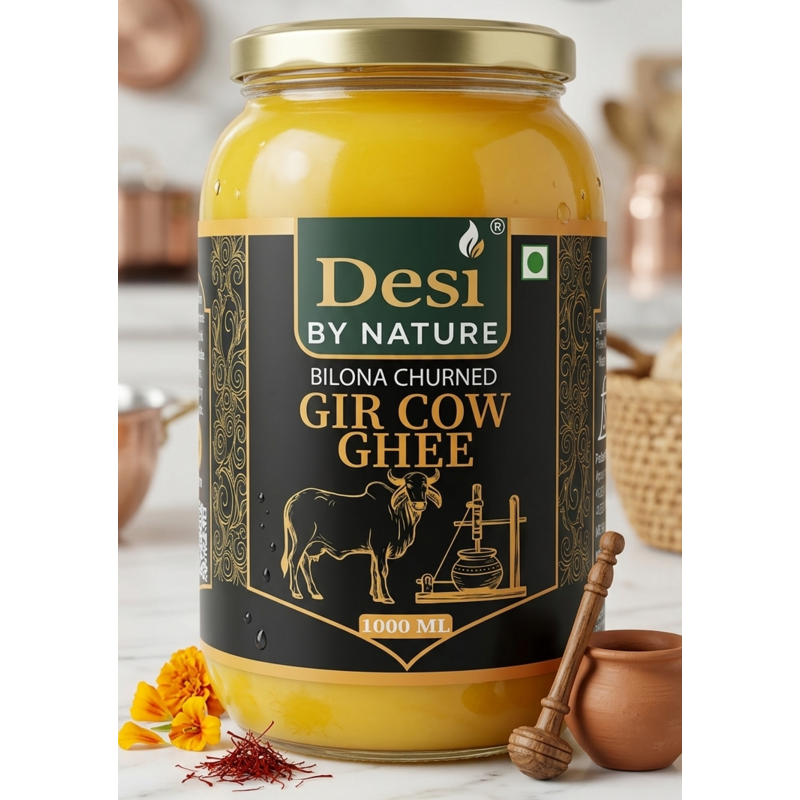
Leftovers, if there are any, taste even better the next day with a fresh teaspoon of Desi Cow A2 Ghee stirred through as the gravy warms.