For a great many North Indians, rajma chawal is not just a dish. It is Sunday. It is the smell of the pressure cooker in the morning and a steel plate of rice with a ladle of thick, dark red gravy. Good rajma is creamy, the beans soft enough to crush against the roof of your mouth, and deeply savoury. A tadka of ghee at the end is how many Punjabi and Kashmiri homes finish it.
Ingredients
- 1 cup rajma (red kidney beans), Jammu or Kashmiri variety if you can find it
- 4 cups water for cooking
- 1 tsp salt
- 2 tbsp ghee
- 1 bay leaf
- 1 black cardamom
- 1 tsp cumin seeds
- 2 medium onions, finely chopped
- 1 tbsp ginger-garlic paste
- 1 green chilli, finely chopped
- 3 medium tomatoes, puréed
- ½ tsp turmeric
- 1½ tsp Kashmiri red chilli powder
- 2 tsp coriander powder
- 1 tsp cumin powder
- ½ tsp garam masala
- 1 tsp kasuri methi
For the final tadka
- 1 tbsp ghee
- ½ tsp cumin seeds
- 3 cloves garlic, sliced
- ¼ tsp Kashmiri red chilli powder
Method
- Soak overnight. Rinse the rajma and soak in plenty of water for 8 to 10 hours. The beans should double in size.
- Pressure cook. Drain, add fresh water and salt, and pressure cook on high for 1 whistle, then on low for 25 to 30 minutes. Let the pressure release naturally. Crush a bean: it should be completely soft. If not, cook further. Keep the cooking water.
- Make the masala. Heat 2 tbsp ghee in a heavy pan. Add bay leaf, black cardamom and cumin. When the cumin crackles, add onions and cook on medium until deep golden brown, 12 to 15 minutes. Do not rush this; brown onions give rajma its colour and depth.
- Add aromatics. Add ginger-garlic paste and green chilli, and cook for 2 minutes.
- Add tomatoes and spices. Add tomato purée, turmeric, chilli powder, coriander and cumin powder. Cook, stirring, until the masala thickens and ghee separates at the edges, 8 to 10 minutes.
- Combine and simmer. Add the cooked rajma with its cooking water. Mash a ladleful of beans against the side of the pan to thicken the gravy. Simmer on low, partly covered, for 20 to 25 minutes, stirring now and then. Add garam masala and crushed kasuri methi.
- The final tadka. Just before serving, heat 1 tbsp ghee in a small pan. Add cumin, let it crackle, then the garlic, and fry until golden. Turn off the heat, add chilli powder, and pour the sizzling tadka over the rajma.
The things that make it great
Soak long enough. Under-soaked rajma never softens properly, however long you cook it. Old beans also take longer.
Cook the beans until they are completely soft. Firm rajma is the most common complaint. When in doubt, cook longer.
Simmer after combining. The slow simmer is when the beans absorb the masala and the gravy turns creamy. Rajma always tastes better an hour later, and better still the next day.
The tadka at the end. It adds a fresh layer of aroma on top of the long-cooked flavours. It is the difference between good rajma and the one people remember.
Serve with
Plain steamed basmati or jeera rice, sliced onions with lemon, and a bowl of curd.
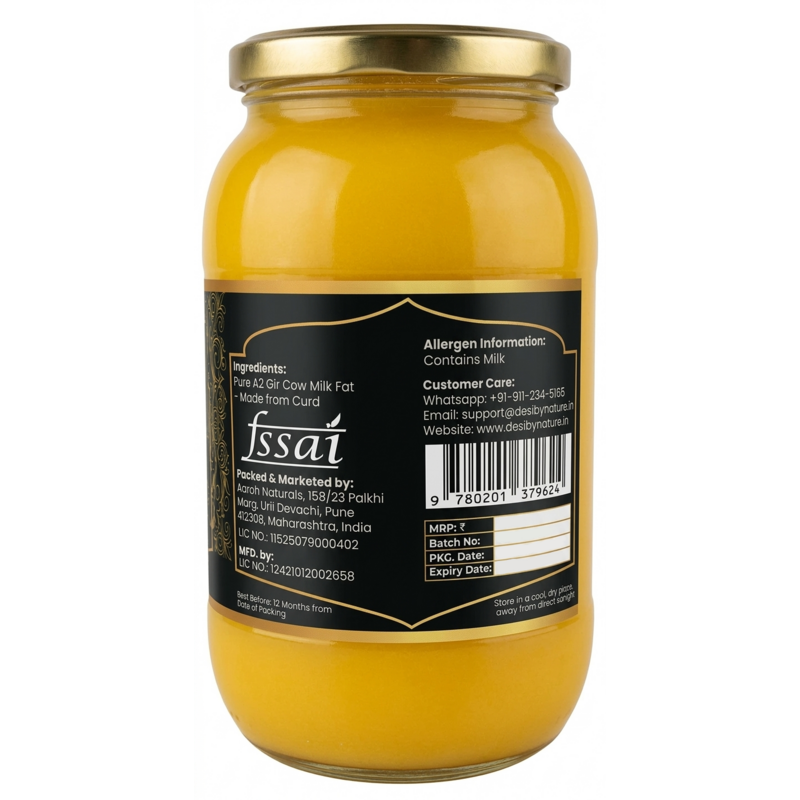
Make it on Saturday, eat it on Sunday. And do not skip that last tadka; a spoon of Desi Cow A2 Ghee and a few slices of garlic are what people remember.