Nankhatai is said to have come out of the bakeries of Surat, and it is one of the few Indian baked goods that has always been made with ghee rather than butter. It is crumbly, short and fragrant with cardamom, with crackled tops and a texture that dissolves on the tongue. It is also the best way to understand how ghee behaves in baking, which is useful if you want to use ghee in other bakes too.
Ingredients
- 1 cup maida (all-purpose flour)
- ¼ cup besan
- 2 tbsp fine sooji
- ½ cup powdered sugar
- ½ cup ghee, soft but not melted
- ¼ tsp baking soda
- ¼ tsp baking powder
- ½ tsp cardamom powder
- A pinch of salt
- Pistachios or almonds, chopped, for topping
- 1 to 2 tsp milk, only if needed
Method
- Heat the oven to 170°C and line a tray with baking paper.
- Cream ghee and sugar. In a bowl, whisk the soft, spoonable ghee and powdered sugar for 3 to 4 minutes until pale, light and fluffy. This step gives nankhatai its crumbly lightness.
- Add dry ingredients. Sift maida, besan, baking soda, baking powder, salt and cardamom over the mixture. Add sooji. Fold gently to form a soft dough. Do not knead. If it is too crumbly to shape, add a teaspoon of milk.
- Shape. Roll small portions into balls, flatten slightly, and place on the tray with space between them. Press a piece of nut into the centre. Some bakers make a cross cut on top.
- Bake. Bake for 15 to 20 minutes, until the tops crack and the bottoms are lightly golden. The tops should stay pale.
- Cool completely. Nankhatai are very soft when hot. Leave them on the tray for 10 minutes, then move to a rack. They crisp as they cool.
How ghee behaves differently from butter
No water. Butter is about 15 to 17 percent water, which turns to steam in the oven and helps puff and lift. Ghee has almost none. Bakes made with ghee are more tender, denser and more crumbly.
Different creaming. Soft ghee creams well with sugar, but it does not trap air quite the way cold butter does. For nankhatai, that is perfect. For a light sponge, it needs help from baking powder.
Flavour. Ghee gives a nutty, roasted flavour rather than fresh dairy.
Browning. Ghee has no milk solids, so bakes brown a little less.
Swapping ghee for butter in other bakes
- Use about 20 percent less ghee than the butter called for, since ghee is almost pure fat. Add a tablespoon or two of milk per cup of ghee if the dough seems dry.
- Cookies and shortbread: ghee works beautifully. Expect a more crumbly, sandy texture.
- Cakes and muffins: use melted ghee in recipes that call for melted butter or oil. Results are moist and tender.
- Laminated pastry, croissants and puff pastry: not suitable. They depend on cold, solid butter and its water.
- Brownies: excellent with ghee. Rich and fudgy.
- Atta cookies and jaggery cakes: ghee and whole wheat are a natural pairing.
Getting ghee to the right consistency
For creaming, ghee should be soft and spoonable, like softened butter. In summer, chill it for 15 minutes. In winter, if it is hard and grainy, warm the jar briefly in warm water and stir. Melted ghee does not cream; use it only where a recipe calls for melted fat.
Storage
Nankhatai keep in an airtight tin for about two weeks, which makes them a good make-ahead Diwali gift.
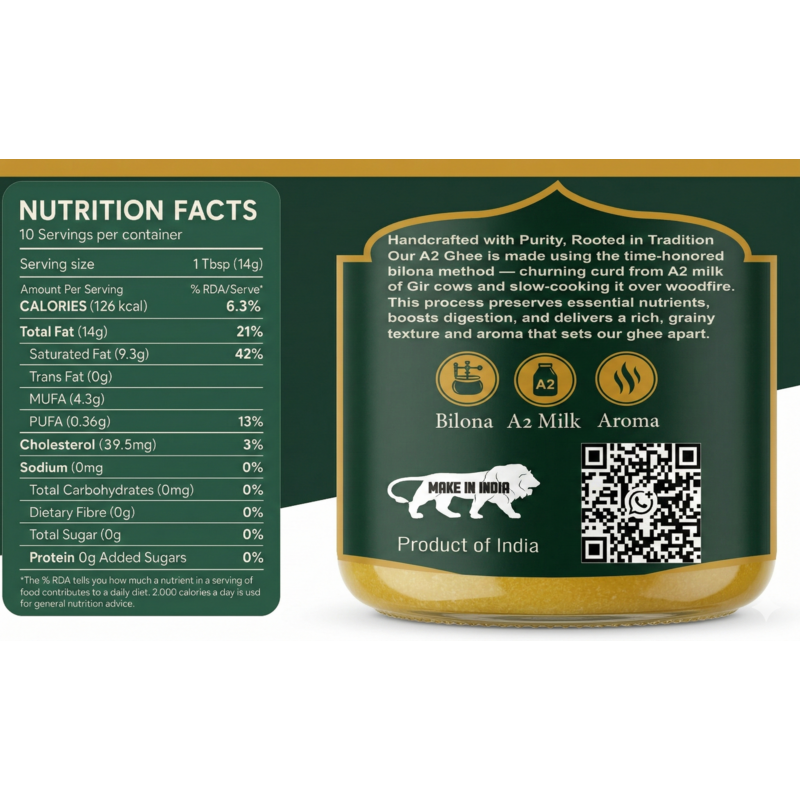
We bake with Desi Cow A2 Ghee. Its nutty flavour is most of what makes nankhatai taste of nankhatai.