Shakarpara, or shankarpali as it is called in Maharashtra, is the snack that sits in a steel tin on the dining table all through Diwali, and somehow is always nearly empty. Small diamonds of dough, lightly sweet, crisp and flaky. They are easy to make. Two things decide whether they come out flaky and crisp or hard and oily: the amount of ghee rubbed into the dough, and the temperature you fry at.
Ingredients
- 2 cups maida (or 1½ cups maida and ½ cup fine sooji)
- ¼ cup ghee, melted (the moyan)
- ½ cup sugar
- ½ cup milk
- A pinch of salt
- ¼ tsp cardamom powder (optional)
- Ghee for frying
Method
- Dissolve the sugar. Warm milk, sugar and melted ghee together in a small pan, just until the sugar dissolves. Do not boil. Let it cool to lukewarm.
- Mix the dough. Put maida, salt and cardamom in a bowl. Pour in the milk mixture gradually, mixing with your fingers, to form a firm dough. Do not knead too much; just bring it together until smooth. It should be stiff, not soft.
- Rest. Cover and rest for 30 minutes.
- Roll and cut. Divide the dough into 3 or 4 portions. Roll each into a circle about 5 mm thick. Cut into strips, then cut diagonally to make small diamonds. Separate them.
- Heat ghee to medium-low. Heat ghee in a kadai. Test with a piece of dough: it should sink and rise slowly, with gentle bubbles, not sizzle hard.
- Fry slowly. Fry in batches on medium-low heat, stirring gently, for 8 to 10 minutes, until the shakarparas are light golden and the bubbling around them has almost stopped.
- Drain and cool. Drain on a steel colander or a rack. They crisp further as they cool.
- Store. When completely cool, store in an airtight tin.
The moyan: why ghee in the dough matters
Moyan is the fat rubbed into dough before adding liquid. It coats the flour particles and limits gluten development, which gives crisp, short, flaky results instead of hard, chewy ones. For shakarpara, the traditional test is that a fistful of the flour and ghee mixture should hold its shape when pressed. Too little ghee and the shakarparas turn hard; too much and they break apart while frying.
Ghee is the traditional moyan for festive snacks because it gives a rich, clean flavour and keeps the snack tasting good for weeks.
The slow fry
Frying on high heat browns the outside while the inside stays doughy, and the shakarparas go soft in a day or two. Medium-low heat cooks them through slowly and drives out moisture, which makes them crisp and helps them keep. Patience at the kadai is the difference.
Variations
Namak para: skip the sugar and milk, use water, and add ajwain, salt and crushed black pepper.
Whole wheat shakarpara: use atta in place of maida. The result is a little denser and nuttier.
Sugar-coated shakarpara: after frying, toss in a thick sugar syrup until coated, and spread to dry.
Storage
Stored airtight, shakarparas keep for two to three weeks.
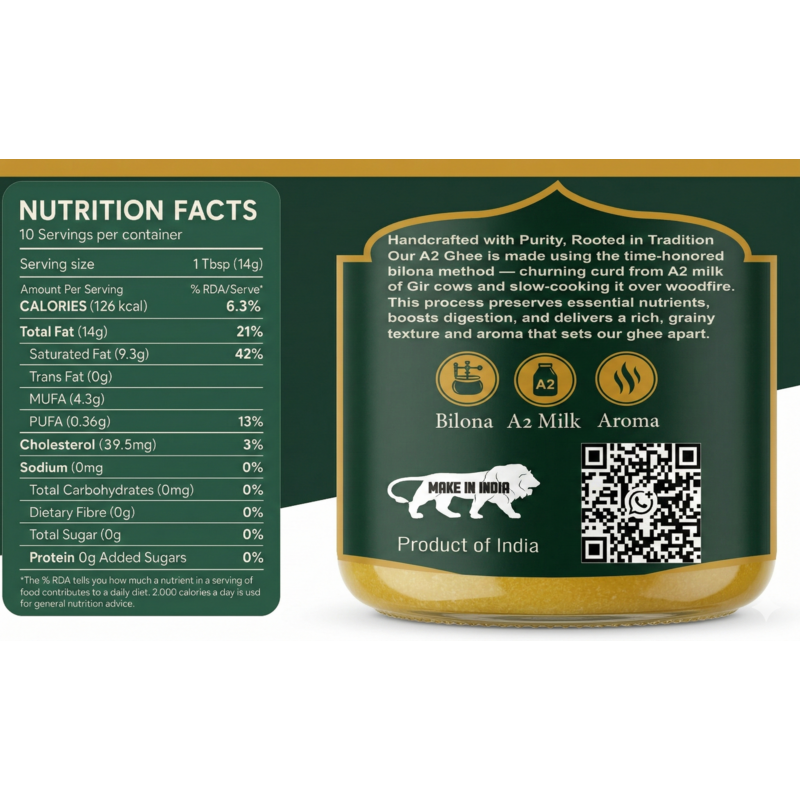
Strain the frying ghee once the shakarparas are done, and it will do another round of mathri or namak para the next day. For festival frying at this scale, Desi Cow A2 Ghee in 1 litre jars is the economical choice.