Diwali is not a single day in most Indian homes. It stretches over five, from Dhanteras to Bhai Dooj, each with its own rituals, foods and lamps. Ghee turns up in almost all of them, as fuel for diyas, as part of offerings, and in the sweets that make the festival what it is. Customs vary widely between regions and families, so treat this as a general guide and follow your own family's practice.
Dhanteras
Dhanteras, or Dhantrayodashi, marks the start of the festival. Many families buy something new in metal on this day, gold, silver or a steel or brass vessel, as an auspicious purchase. In the evening, many homes light a lamp at the entrance, traditionally facing south, known as Yama deepam. Families differ on whether it is lit with ghee or oil, and on the details. Some also begin preparing sweets and cleaning puja vessels.
Naraka Chaturdashi or Chhoti Diwali
In many homes the day starts early, with an oil bath in parts of South and West India, and the evening brings more lamps. Kitchens are usually busy finishing sweets and snacks.
Diwali and Lakshmi Puja
The main night. Ghee appears in several ways:
- The puja lamp. A ghee diya is commonly lit before the deities during Lakshmi puja. Some families keep a lamp burning through the night.
- Rows of diyas. Around the home, at the doorway, windows and balconies. Many families light these with ghee, others with oil or a mix. See how to light ghee diyas.
- Naivedya. Offerings often include sweets made in ghee, kheer, and in some families puris and a simple halwa.
- Havan or aarti. Where a havan is performed, ghee is offered to the fire.
Govardhan Puja and Annakut
In many North Indian homes and temples, the day after Diwali brings Annakut, an offering of a large variety of dishes. Many of these are cooked with ghee.
Bhai Dooj
Sisters often prepare a special meal or sweets for brothers, and many families light a diya during the tilak ceremony.
A festival checklist for ghee
- Sweets: estimate your quantities early. See how much ghee you need for Diwali sweets.
- Frying: keep 400 to 500 ml ready for a kadai, and strain and reuse it.
- Diyas: allow 1 to 2 teaspoons per small diya, per night.
- Puja ghee: set aside a separate small jar with its own spoon.
- Guests and festive meals: add a little extra for puris and halwa.
- Gifts: if you are giving ghee, order early. See ghee as a Diwali gift.
Keep diyas safe
The busiest lamp nights are also the ones when accidents happen. Place diyas on metal plates, away from curtains, rangoli powder and garlands, out of reach of children and pets, and never leave them unattended. Keep loose dupattas and saree pallus clear when lighting rows of lamps.
A steel dolchi on Dhanteras
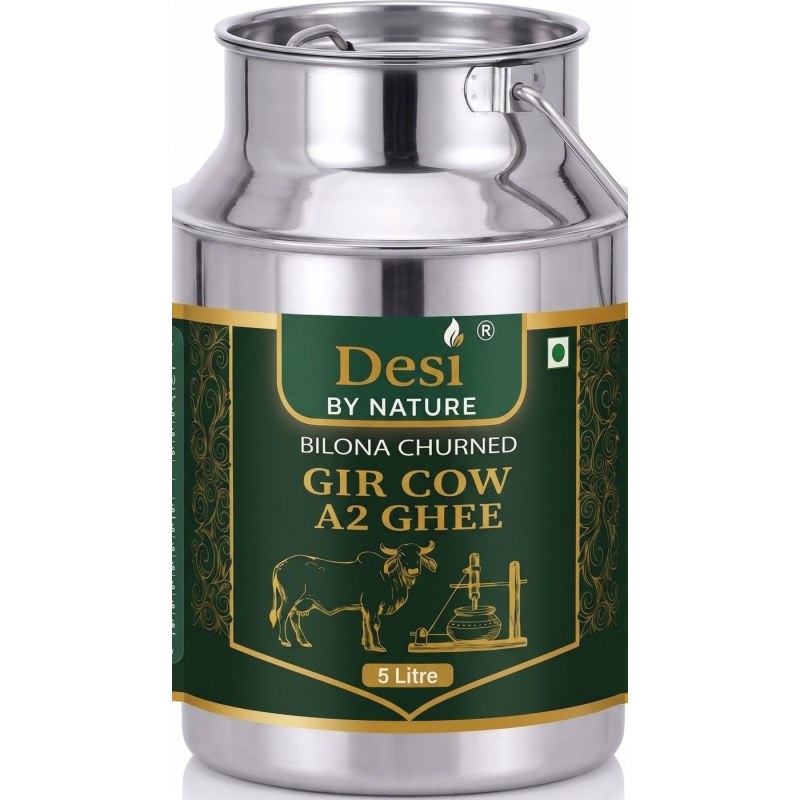
If your family buys a steel vessel on Dhanteras, a dolchi is a practical choice, and it is useful for years for storing ghee or milk.
For the festival, many families keep a jar of A2 Gir Cow Ghee for the puja and diyas, and a dolchi of Desi Cow A2 Ghee for the cooking. Wishing you a bright and safe Diwali.